EN
EN

A magnet na slúchadlá je základným komponentom vo vnútri každého dynamického ovládača, ktorý premieňa elektrické zvukové signály na fyzické zvukové vlny. Bez magnetu nie je žiadny pohyb, žiadny zvuk a žiadny zvukový zážitok. Magnet vytvára statické magnetické pole; keď striedavý prúd z vášho zdroja zvuku prechádza cez kmitaciu cievku umiestnenú vo vnútri tohto poľa, cievka – a k nej pripojená membrána – vibruje na presných frekvenciách zakódovaných v signáli a vytvára zvuk.
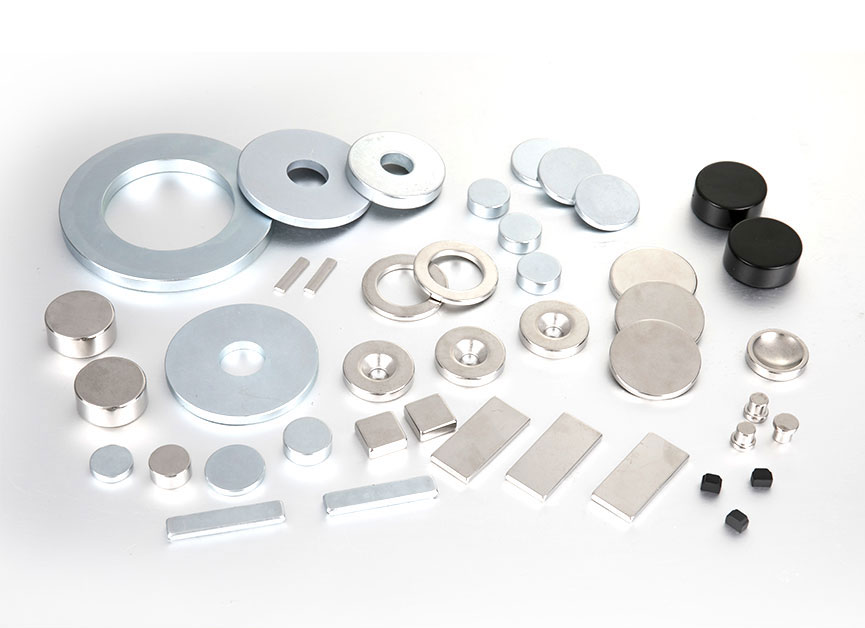
Kliknite a navštívte naše produkty: Spekaný magnet NdFeB
Typ, trieda a veľkosť magnet v slúchadlách priamo ovplyvňuje citlivosť, frekvenčnú odozvu, hĺbku basov, rýchlosť prechodu a dlhodobú životnosť. Táto príručka presne vysvetľuje, ako fungujú magnety slúchadiel, porovnáva každý hlavný typ magnetu s údajmi o skutočnom výkone a odpovedá na otázky, ktoré kupujúci, inžinieri a audio nadšenci najčastejšie kladú.
Ako magnet pre slúchadlá premieňa elektrinu na zvuk
Celý akustický výstup slúchadiel s dynamickým meničom závisí od elektromagnetickej indukcie – rovnaký princíp, ktorý predviedol Michael Faraday v roku 1831. ovládač slúchadiel , proces prebieha v štyroch krokoch:
- Vytvorenie statického poľa: Trvalá magnet na slúchadlá (zvyčajne kruhová alebo hrncovitá štruktúra) vytvára silné, stabilné magnetické pole v medzere, kde sedí kmitacia cievka. Intenzita poľa v ovládačoch slúchadiel pre spotrebiteľov sa zvyčajne pohybuje od 0,3 až 1,2 Tesla .
- Vstup signálu: Striedavý elektrický prúd predstavujúci zvukový signál prúdi cez navinutú medenú alebo hliníkovú kmitaciu cievku umiestnenú v magnetickej medzere.
- Elektromagnetická sila: Podľa Lorentzovho silového zákona interakcia medzi cievkou s prúdom a statickým magnetickým poľom vytvára mechanickú silu. Keď sa aktuálny smer strieda s priebehom zvuku, cievka sa pohybuje dopredu a dozadu na rovnakej frekvencii – kdekoľvek od 20 Hz do 20 000 Hz, aby bol zvuk počuteľný.
- Budenie membrány: Hlasová cievka je pripojená k ľahkej membráne. Keď sa cievka pohybuje, membrána vytláča vzduch a vytvára tlakové vlny, ktoré ucho vníma ako zvuk.
Sila a konzistencia magnet na slúchadlá poľa určujú, ako efektívne sa elektrická energia stane akustickou energiou. Silnejšie, rovnomernejšie pole umožňuje hlasovej cievke reagovať s vyššou presnosťou a rýchlosťou, čo sa priamo premieta do lepšej prechodovej odozvy, nižšieho skreslenia a rozšíreného frekvenčného rozsahu.
Aké typy magnetov na slúchadlá sa používajú a ako sa porovnávajú?
Primárne sú štyri typy magnetov používané v slúchadlách , každý s odlišnými magnetickými vlastnosťami, nákladovými profilmi a akustickými kompromismi. Neodym dominuje moderným dizajnom, ale pochopenie všetkých štyroch vysvetľuje, prečo rôzne úrovne slúchadiel znejú – a náklady – tak odlišne.
1. Neodymové magnety (NdFeB)
Neodymové magnety na slúchadlá sú priemyselným štandardom pre prakticky všetky moderné slúchadlá vyššej kategórie. Sú vyrobené zo zliatiny neodýmu, železa a bóru a ponúkajú najvyšší energetický produkt zo všetkých materiálov s permanentnými magnetmi – až 52 MGOe (megagauss-oersteds) pre najsilnejšie stupne (N52). Tento výnimočný pomer sily a veľkosti umožňuje inžinierom zostaviť kompaktné, ľahké meniče s výkonnými magnetickými medzerami. Neodymový magnet, ktorý vytvára rovnaké pole ako feritový magnet, váži približne 10-krát menej, čo umožňuje štíhle profily mušlí, ktoré sa nachádzajú v prémiových monitoroch do uší a slúchadlách cez uši.
2. Feritové (keramické) magnety
Feritové magnety dominovali výrobe slúchadiel od 60. do 80. rokov 20. storočia. Skladajú sa z oxidu železitého a uhličitanu báriaho alebo strontnatého, sú lacné a odolné voči korózii, ale majú maximálny energetický produkt iba 3,5–4,5 MGOe — približne 10 až 15-krát slabší ako neodým pri rovnakom objeme. To si vyžaduje väčšie a ťažšie zostavy magnetov, aby sa dosiahla porovnateľná intenzita poľa, a preto sú staré slúchadlá plnej veľkosti s feritovými magnetmi zvyčajne podstatne ťažšie ako moderné ekvivalenty. Feritové magnety sa stále používajú v lacných slúchadlách a niektorých veľkoformátových štúdiových modeloch, kde sú veľkosť a hmotnosť ovládača menej kritické.
3. Samáriové kobaltové magnety (SmCo)
Samarium kobaltové magnety zaberajú výkonnú medzeru medzi neodýmom a feritom. S dosiahnutím energetických produktov 26–30 MGOe a výnimočná tepelná stabilita až do 300 °C (oproti neodýmovým 80–150 °C v závislosti od kvality), magnety SmCo sa používajú v špecializovaných profesionálnych monitoroch a meracích mikrofónoch, kde sa prevádzková teplota značne líši. Ich primárnou nevýhodou je cena – samáriové kobaltové magnety sú podstatne drahšie ako neodýmové – čo obmedzuje ich prijatie na špičkové a profesionálne audio zariadenia.
4. Alnico magnety (hliník-nikel-kobalt)
Magnety Alnico sú historicky významné – boli dominantným typom magnetov v audio prevodníkoch predtým, ako sa ferit stal ekonomickým v 60. rokoch. S energetickými produktmi z 1,5–5 MGOe a charakteristická teplá kvalita tónov, ktorá sa často označuje ako hladká a hudobná, magnety alnico zostávajú v súčasnosti zámernou voľbou v butikových a audiofilných ovládačoch slúchadiel. Sú drahé na výrobu, pri hrubom zaobchádzaní náchylné na demagnetizáciu a ponúkajú nižšiu intenzitu poľa ako neodým, ale niektorí poslucháči a inžinieri uprednostňujú ich zvukový charakter, najmä v stredných frekvenciách.
| Typ magnetu | Maximálny energetický produkt | Relatívna hmotnosť | tepl. Stabilita | Relatívne náklady | Primárne použitie |
|---|---|---|---|---|---|
| neodým (NdFeB) | Až 52 MGOe | Veľmi ľahké | Stredná (80 – 150 °C) | Nízka – Stredná | Najmodernejšie slúchadlá |
| Ferit (keramika) | 3,5–4,5 MGOe | Ťažký | Dobré (250 °C) | Veľmi nízka | Rozpočtové a vintage modely |
| Samarium kobalt | 26–30 MGOe | Svetlo | Výborná (300°C) | Vysoká | Pro monitory, meranie |
| Alnico | 1,5–5 MGOe | Stredná | Dobré (540 °C) | Vysoká | Butikové audiofilské ovládače |
Popis: Vedľajšie porovnanie štyroch hlavných typov magnetov pre slúchadlá podľa energetického produktu, hmotnosti, teplotnej stability, ceny a typickej aplikácie v audio produktoch.
Prečo sila magnetu slúchadiel priamo ovplyvňuje zvukový výkon
Silnejší magnet na slúchadlá vytvára hustejší magnetický tok v medzere kmitacej cievky, čo má kaskádový efekt naprieč každým merateľným akustickým parametrom.
Citlivosť a účinnosť
Citlivosť – meraná v dB SPL na miliwatt (dB/mW) – vyjadruje, ako hlasno hrajú slúchadlá pri danom množstve výkonu. Vyšší magnetický tok priamo zvyšuje silovú konštantu (súčin BL) meniča, čo zvyšuje citlivosť. Dokáže dosiahnuť dobre navrhnutý neodýmový menič s vysoko kvalitným magnetom N48 alebo N50 110–120 dB/mW , čo znamená, že dokáže produkovať vynikajúci objem zo smartfónu s relatívne slabým výstupným stupňom. Feritové ekvivalenty z predchádzajúcich generácií často merali 90–100 dB/mW, čo si na dosiahnutie rovnakých úrovní počúvania vyžaduje vyhradené zosilnenie.
Rozšírenie a ovládanie basov
Silný magnet na slúchadlás dodáva hlasovej cievke silnejšiu vratnú silu a zlepšuje kontrolu nad nízkofrekvenčnými výchylkami membrány. To sa premieta do prísnejších, jasnejších basov – menej nafúknutia, rýchlejšieho doznievania a schopnosti reprodukovať subbasové frekvencie (20–60 Hz) bez skreslenia. Slúchadlá so slabšími magnetickými systémami majú tendenciu vykazovať nadmerné vychýlenie membrány pri vysokom SPL basových signáloch, čo spôsobuje druhé a tretie harmonické skreslenie merateľné vyššie. 1 % THD pri 100 dB SPL. Prémiové neodýmové konštrukcie udržujú THD pod 0,1–0,3 % v celom frekvenčnom rozsahu.
Prechodná odozva a zobrazovanie
Prechodná odozva – ako rýchlo vodič začne a zastaví pohyb – je rozhodujúca pre reprodukciu útoku bicích nástrojov, brnkania na strunu alebo prudkého nástupu hovorenej spoluhlásky. Silnejší magnet v slúchadlách dodáva do kmitacej cievky väčšiu okamžitú silu, čím rýchlejšie zrýchľuje membránu a prudšie ju zastaví. To sa prejavuje ostrejším zobrazením, lepším oddelením nástrojov v mixe a presnejšou zvukovou kulisou v akustických nahrávkach. Audiofili často opisujú túto kvalitu ako „rýchlosť“ alebo „rozlíšenie“.
Impedancia a prispôsobenie zosilňovača
Faktor BL (hustota toku krát dĺžka cievky) budiča slúchadiel – priamo určený silou magnetu – ovplyvňuje spätné EMF, ktoré budič vytvára. Vyššie hodnoty BL vytvárajú silnejší back-EMF, ktorý ovplyvňuje, ako slúchadlá interagujú s výstupnou impedanciou ich zosilňovača. To je dôvod, prečo slúchadlá s vysokou BL a nízkou impedanciou (napríklad 16–32 ohmové modely so silnými neodýmovými magnetmi) môžu znieť výrazne odlišne v závislosti od výstupnej impedancie zosilňovača, jav nazývaný „interakcia tlmiaceho faktora“, ktorý je dobre zdokumentovaný v inžinierstve elektrických meničov.
Čo je to ovládač slúchadiel s dvoma magnetmi a prečo je to lepšie?
Dvojmagnetové (alebo dvojmagnetové) meniče slúchadiel používajú dva magnety usporiadané tak, aby tlačili magnetický tok cez medzeru kmitacej cievky z oboch strán súčasne, čím sa efektívne zdvojnásobuje využiteľná intenzita poľa bez zdvojnásobenia priemeru budiča. Táto architektúra je čoraz bežnejšia v prémiových monitoroch do uší a prenosných slúchadlách s vysokou citlivosťou. Akustické výhody sú významné:
- Vyššia citlivosť z rovnakého priemeru budiča – zvyčajne zisk 3–6 dB/mW oproti ekvivalentom s jedným magnetom rovnakej veľkosti.
- Lepšia linearita naprieč rozsahom výchylky kmitacej cievky, čím sa znižuje skreslenie pri vysokých úrovniach SPL, pretože magnetické pole je symetrickejšie počas celej dráhy cievky.
- Vylepšené tlmenie rezonančnej frekvencie membrány, čo vedie k plochejšej a kontrolovanejšej reprodukcii basov.
- Nižšie skreslenie pri špičkovej odchýlke — budiče s jedným magnetom zaznamenajú oslabenie poľa, keď sa kmitacia cievka pohybuje ďaleko od svojej pokojovej polohy; konštrukcie s dvoma magnetmi zachovávajú konzistentnejší tok v celom rozsahu výchylky.
Kompromisom je zvýšená zložitosť výroby a náklady. Zostava meniča s dvoma magnetmi vyžaduje presné zarovnanie oboch magnetov vzhľadom na medzeru kmitacej cievky – tolerancia meraná v desatinách milimetra – čo pridáva procesné kroky a požiadavky na kontrolu kvality vo výrobe.
Ako sa technológia magnetov slúchadiel líši medzi typmi ovládačov
Nie všetky slúchadlá používajú rovnakú architektúru meniča a úloha magnetu sa výrazne mení v závislosti od technológie meniča.
| Typ ovládača | Úloha magnetu | Typický použitý magnet | Kľúčová akustická vlastnosť | Spoločná aplikácia |
|---|---|---|---|---|
| Dynamická (pohyblivá cievka) | Vytvára medzerové pole pre kmitaciu cievku | neodým (N35–N52) | Silný bass, high sensitivity | Spotrebiteľ, šport, IEM |
| Planárne magnetické | Vytvára obojstranné pole okolo membrány | Neodymové polia | Ultra nízke skreslenie, plochá odozva | Audiofilský otvorený chrbát |
| Vyvážená armatúra | Obklopuje jazýček armatúry (bez medzery) | Malý neodým alebo SmCo | Vysoká detail, compact size | Profesionálne IEM, načúvacie prístroje |
| Elektrostatický | Nepoužíva sa permanentný magnet | Žiadne (elektrostatické predpätie) | Extrémne rozlíšenie, krehké | Referenčné monitorovanie |
Popis: Porovnanie typov ovládačov slúchadiel ukazujúce, ako sa líši úloha magnetu, materiál a akustický príspevok v rámci dynamických, planárnych magnetických, vyvážených armatúr a elektrostatických dizajnov.
Planárne magnetické pole slúchadiel
Planárne magnetické slúchadlá nepoužívajú jediný magnet a hlasovú cievku. Namiesto toho vkladajú plochý vzor stopy vodičov na ultratenkú membránu (zvyčajne Hrúbka 1-3 mikróny ) a umiestnite dve polia neodýmových tyčových alebo tyčových magnetov na obe strany membrány. Keď prúd preteká tlačeným vodičom, celý povrch membrány je poháňaný rovnomerne. Pretože sa každá časť membrány pohybuje súčasne – a nie cievka poháňajúca kužeľ z jej okraja – planárne magnetické konštrukcie vo svojej podstate vytvárajú nižšie skreslenie a lineárnejšiu odozvu, najmä v stredoch a výškach. Kompromisom je nižšia citlivosť (zvyčajne 85–96 dB/mW ) a požiadavka na výkonnejšie zosilnenie.
Prečo záleží na kvalite neodýmu: N35 vs N42 vs N52 v ovládačoch slúchadiel
Nie všetok neodým magnet na slúchadlás sú si rovné. Číslo triedy (N35, N38, N42, N48, N50, N52) priamo udáva maximálny energetický produkt materiálu magnetu. Vyššie čísla znamenajú hustejšie a silnejšie magnetické pole z rovnakého fyzického objemu materiálu magnetu.
| stupňa | Energetický produkt (MGOe) | Hustota zvyškového toku (T) | Relatívne náklady vs N35 | Typické použitie v slúchadlách |
|---|---|---|---|---|
| N35 | 33–36 | 1.17–1.22 | Základná línia | Spotrebiteľ na základnej úrovni |
| N42 | 40–43 | 1,28–1,32 | 15 – 20 % | Spotrebiteľ strednej triedy, bezdrôtový |
| N48 | 46–49 | 1,37–1,40 | 35 – 50 % | Prémiové IEM, audiofilské slúchadlá |
| N52 | 50–53 | 1,42–1,47 | 70 – 90 % | Vlajková loď IEM, referenčné monitory |
Popis: Porovnanie kvality neodymového magnetu zobrazujúce energetický produkt, hustotu zvyškového toku, relatívnu cenu materiálu a typickú aplikáciu slúchadiel pre triedy N35 až N52.
Zvýšenie výkonu z N35 na N52 je približne 45 % v energetickom produkte . V meniči slúchadiel sa to premieta do merateľne silnejšieho poľa v medzere kmitacej cievky, čím vzniká vyššia citlivosť a vylepšené ovládanie pri rovnakej geometrii meniča. Neodým vyššej triedy je však krehkejší, ťažšie sa opracúva do úzkych tolerancií a je výrazne drahší – preto je N52 vyhradený pre vlajkové produkty, kde sú náklady na jednotku menej obmedzujúce.
Často kladené otázky o magnetoch na slúchadlá
Otázka: Môže sa magnet vo vnútri slúchadiel časom demagnetizovať?
Za normálnych podmienok používania vysoká kvalita neodymový magnet na slúchadlá nedemagnetizuje počas životnosti produktu. Neodymové magnety strácajú menej ako 1 % ich hustoty toku za storočie pri izbovej teplote bez prítomnosti protichodných magnetických polí alebo extrémneho tepla. Medzi praktické hrozby pre magnety slúchadiel patrí vystavenie teplotám nad 80 °C (pre štandardné triedy), silné protiľahlé vonkajšie magnetické polia a fyzické otrasy, ktoré rozbijú krehký sintrovaný materiál. To všetko je pri bežnom používaní slúchadiel nepravdepodobné.
Otázka: Ovplyvňujú magnety slúchadiel kardiostimulátory alebo lekárske implantáty?
Ide o oprávnenú obavu. Ovládače slúchadiel obsahujú malé, ale skutočné permanentné magnety s povrchovými poľami, ktoré môžu dosiahnuť 50 – 200 mT na blízko. FDA odporúča, aby používatelia kardiostimulátora a implantovaného srdcového defibrilátora (ICD) udržiavali magnetické zariadenia vo vzdialenosti najmenej 15 cm od ich implantátu. Nosenie slúchadiel na ušiach umiestni vodiče blízko k hrudníku iba vtedy, keď sú tam položené slúchadlá - typická poloha pri nosení umiestňuje vodiče vedľa uší, ďaleko od hrudných implantátov. Používatelia s implantátmi by sa však pred kúpou slúchadiel s obzvlášť veľkými alebo výkonnými magnetmi mali poradiť so svojím kardiológom.
Otázka: Prečo bezdrôtové (Bluetooth) slúchadlá stále potrebujú silné magnety?
Bezdrôtový prenos spracováva signálovú cestu, ale prevodník premieňajúci elektrickú energiu na zvuk stále vyžaduje magnetický ovládač. The magnet na slúchadlá systém v slúchadlách Bluetooth je funkčne identický so systémom káblového modelu – audio signál jednoducho prichádza cez digitálno-analógový prevodník zabudovaný do náušníka a nie cez kábel. V skutočnosti, pretože Bluetooth slúchadlá sa zameriavajú na prenosnosť a musia produkovať primeranú hlasitosť pri obmedzenom nabití batérie, ich ovládače často používajú najmä vysokokvalitné neodýmové magnety na maximalizáciu citlivosti a minimalizáciu energie odoberanej z interného zosilňovača.
Otázka: Môžem slúchadlá recyklovať kvôli magnetu vo vnútri?
Áno, a neodýmový magnet je v skutočnosti jednou z najcennejších komponentov vo vyradených slúchadlách z hľadiska materiálov. Neodym je klasifikovaný ako kritický minerál EÚ a ministerstva energetiky USA. Približne 90 % svetového spracovania vzácnych zemín sa v súčasnosti vyskytuje v jedinej krajine, čo vytvára riziko dodávateľského reťazca, ktoré poháňa investície do mestskej ťažby – obnovy neodýmu zo spotrebnej elektroniky. Správne zariadenia na recykláciu elektronického odpadu môžu extrahovať a znovu zušľachťovať magnetický materiál na opätovné použitie v nových produktoch.
Otázka: Znamená väčší magnet vždy lepší zvuk?
Nie nevyhnutne. Väčší magnet zvyšuje celkový tok, ale na čom záleží akusticky, je hustota toku v medzere kmitacej cievky — produkt geometrie magnetu, dizajnu pólového nástavca a rozmerov medzier, nielen objemu magnetu. Menší, dobre navrhnutý vysoko kvalitný neodýmový (N50) magnet v optimalizovanej štruktúre motora môže prekonať väčší magnet nižšej kvality v zle navrhnutom kryte. Inžinierstvo vodičov je disciplína na úrovni systému; trieda a veľkosť magnetu sú dva vstupy z mnohých, spolu s vinutím kmitacej cievky, materiálom membrány, poddajnosťou zavesenia a akustikou krytu.
Otázka: Čo znamená „magnetické slúchadlá N52“ v špecifikácii produktu?
Keď výrobca špecifikuje Slúchadlá s magnetom N52 , oznamujú, že menič používa najvyššiu komerčne dostupnú triedu sintrovaného materiálu neodymových magnetov. N52 označuje maximálny energetický produkt približne 52 MGOe, čo predstavuje súčasný vrchol výkonu štandardných neodymových magnetov. Táto špecifikácia je zmysluplným signálom kvality ovládača, ale mala by sa zvážiť spolu s ďalšími špecifikáciami - citlivosť (dB / mW), impedancia (ohmy), frekvenčná odozva a THD - aby sa plne vyhodnotilo, ako budú slúchadlá skutočne znieť pri používaní.
Prečo porozumenie magnetom na slúchadlá z vás urobí lepšieho kupujúceho
The magnet na slúchadlá nie je marketingová špecifikácia, ktorú treba popri nejasných technických poznámkach pod čiarou zamietnuť. Je to fyzikálny motor každého dynamického a planárneho magnetického slúchadiel a jeho vlastnosti stanovujú tvrdé limity citlivosti, skreslenia, prechodného výkonu a odolnosti, ktoré nedokáže úplne kompenzovať žiadne množstvo spracovania signálu.
Keď pochopíte, že neodymový menič N52 v dobre navrhnutom kryte produkuje podstatne schopnejší prevodník ako ekvivalent vybavený feritom, budete lepšie pripravení interpretovať rozdiel medzi komponentmi v cenách slúchadiel. Krok od základného modelu za 30 USD k slúchadlám strednej triedy za 150 USD je zriedkavo vysvetlený samotnou značkou – takmer vždy súvisí s úrovňou magnet v ovládači slúchadiel , kvalita vinutia kmitacej cievky a presnosť zostavy motora.
Podobne pochopenie rozdielu medzi dynamickými meničmi – s ich jednomagnetovými alebo dvojmagnetickými štruktúrami – a planárnymi magnetickými poľami pomáha vysvetliť, prečo sú audiofilské otvorené slúchadlá s planárnymi meničmi vysoké ceny a vyžadujú slúchadlové zosilňovače. Architektúra magnetického poľa nepredstavuje infláciu nákladov; je to skutočne odlišná topológia meniča s odlišnými akustickými vlastnosťami.
Keďže materiálová veda napreduje a dodávateľské reťazce vzácnych zemín sa diverzifikujú, prichádza nová generácia magnet na slúchadlá technológia – vrátane spájaných neodýmových kompozitov, pokročilých za tepla lisovaných tried s vyššou teplotnou stabilitou a potenciálne nových magnetických materiálov bez obsahu vzácnych zemín – bude aj naďalej posúvať hranice toho, čo môžu prenosné a audiofilské slúchadlá akusticky dosiahnuť. Magnet nie je vyriešený problém; zostáva jednou z najaktívnejších oblastí zlepšovania dizajnu profesionálnych a spotrebiteľských zvukových meničov.